Sunshine on Highland - HPP’s Flagship Project
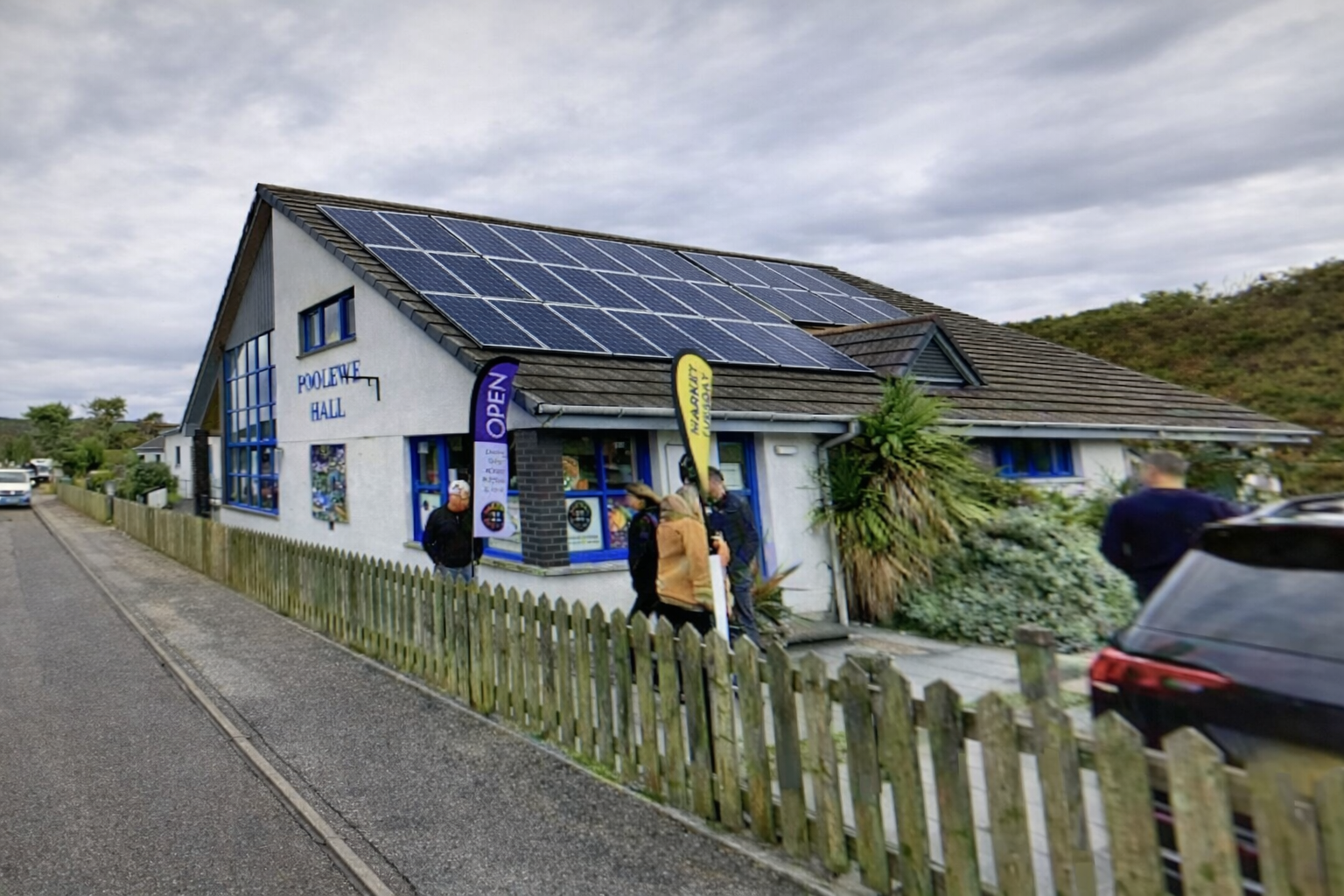
HPP’s determination to spread the benefits of renewable power across the Highlands is what makes them unique. Nowhere is this better demonstrated than in their solar photovoltaic project. Their pilot includes eight community halls and buildings, and stretches from the north coast to Strathspey, and from the west coast to the east.
Community buildings-like domestic houses-pay a lot for electricity. The goodwill of just one or two people can be all that keeps these buildings going. Even when the load is more fairly shared, people lead busy lives. Yet communities love their buildings. They keep locals in touch and provide sport, relaxation, entertainment, and fun in places where winters are long and the weather can be bitter. While entrance fees for events are generally kept affordable, running costs can be high.
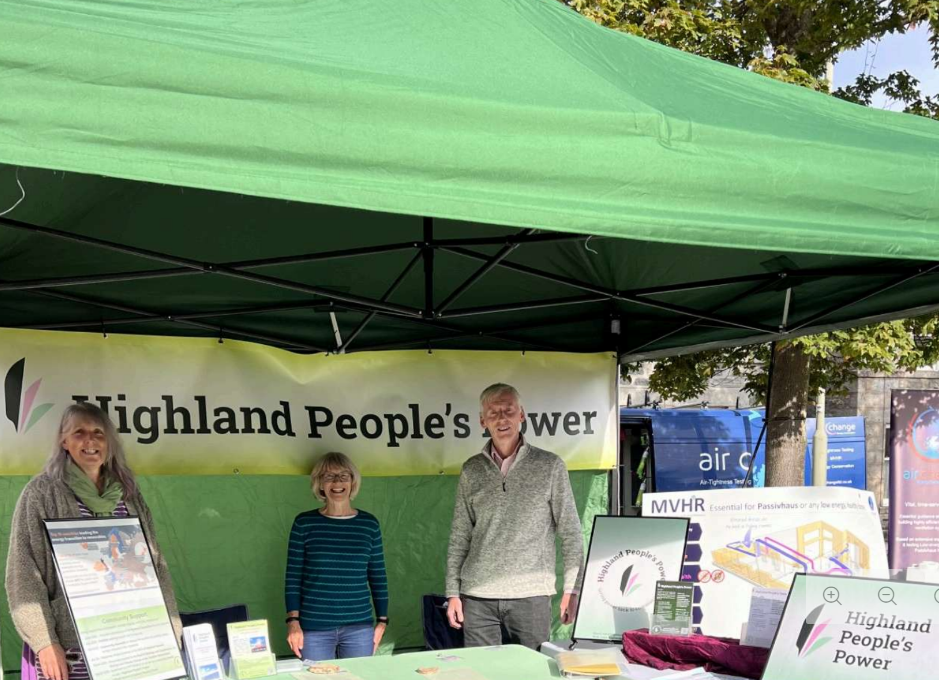
HPP spent much of last summer raising its profile, attending a dozen Highland Games and shows and, among other projects, highlighting the benefits of its solar scheme. Bertie MacLean, HPP’s Community Energy Officer, said, ‘I found some people were suspicious that we were just another profit-driven developer bent on exploiting the Highlands’ wind, water, and sun.
‘It could take a bit of work to explain our cooperative principles and convince them we weren’t out to line our own pockets. Once over that hurdle, I found people were very interested indeed.’
HPP’s model is to lease the roofs of community buildings for 20 years initially, install PV solar panels and battery storage systems, and then sell the generated electricity to halls for 15p/kWh-well below the SSE rate, which was reduced in April to 24.67p/kWh and is widely expected to rise again soon.
The 15p/kWh rate will remain the same for the whole 20-year lease period. HPP will sell any additional electricity generated into the national grid, and expects to sell it at around 5p/kWh. Any profit will go straight back into other sustainable measures, either for that building or for others.
Maintenance, parts replacement, insurance, and any associated costs will be paid by HPP. Clearly, significant savings, as well as protection from global price shocks, will result.
At the end of the lease period, communities can either take over the panels themselves, with no further involvement from HPP, or continue with the existing model.
By October, HPP were delighted to have eight buildings signed up to its pilot, and its focus turned firmly to funding options. Meeting funding criteria—sometimes changing criteria-proved complex and time-consuming. However, CARES (Community and Renewable Energy Scheme) was encouraging from the outset.
CARES is Scottish Government funding, managed by Local Energy Scotland, to help local groups develop renewable projects. They also provide support, mentoring, and local development officers to assist. HPP submitted an application for funding for feasibility studies last November, which was approved in January.
In the meantime, HPP had been approaching roofing surveyors to determine the integrity of the roofs of the eight buildings involved. It expressed gratitude to CBS Surveyors for moving quickly once funding was in place, and also to the Rural Design Centre of Northumberland Community Energy Limited for their expertise in assessing photovoltaic requirements for roofs of different sizes, angles, and aspects.
An architect was commissioned to establish whether any of the buildings needed planning permission, and one or two may need to wait until the next cohort to allow this process to be completed. Feasibility studies have been completed and sent to each building, along with the proposed lease and power purchasing agreements. Tenders have gone out and are being considered. HPP is applying for Phase 3 funding for the installation work, and now that a funding model is in place, the timescales should be faster.
‘In these days of electronic devices,’ said Bertie, ‘human contact, respect, and clear communication have proved the most important tools. Whether it's with the public, funders, traders, or partners, talking and building trust has paid off every time.’