

ILM Highland Repair Cafe Case Study
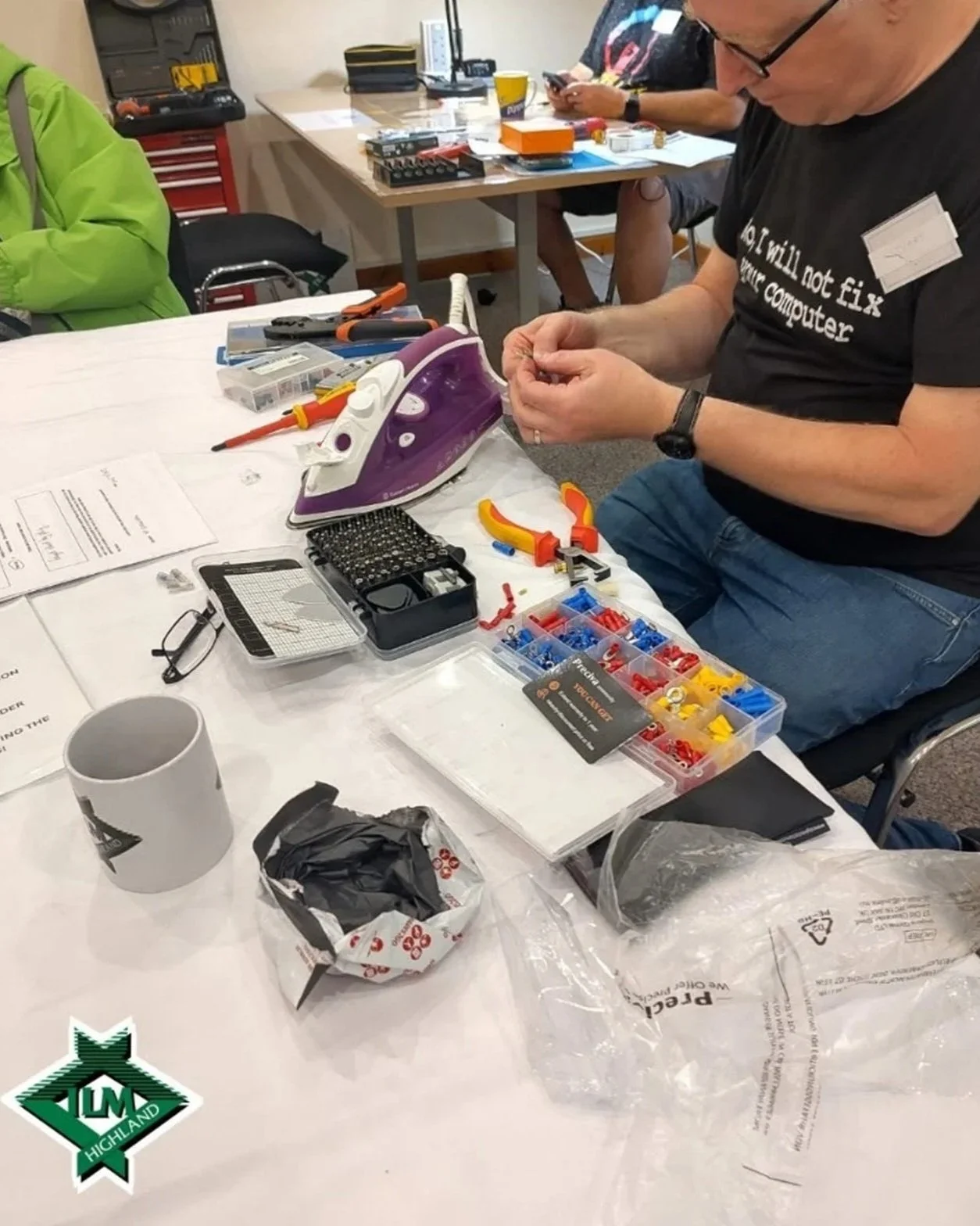
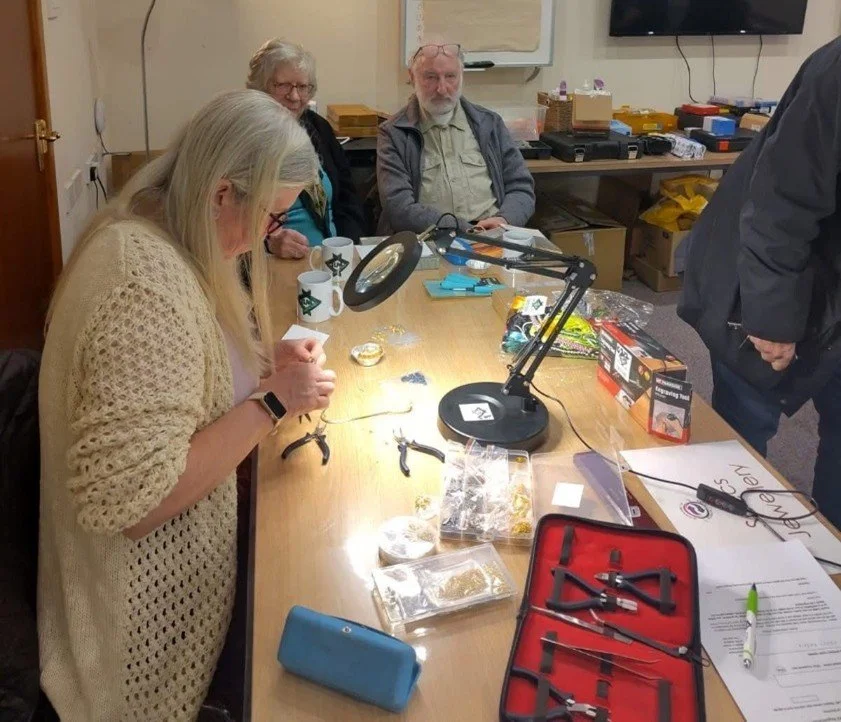
ILM Highland successfully applied to the CLLD funding to run 3 repair cafes and support their transition towards and “on the road” delivery model.
The Hub gained further experience in co-managing funding and strategic partnership working through collaboration with HTSI and the Highland Council.
Through funding this project, the Hub further demonstrates how climate action projects can deliver multiple co-benefits, including reducing waste, tackling social isolation, and alleviating financial pressures through reuse and repair.
Background
ILM Highland is an experienced social enterprise and charity based in Alness and operating across the Highlands. They deliver essential services that reduce waste and protect the environment whilst supporting vulnerable people to live independently at home. They also partner with Highland Council and other to provide free home improvements for those most in need. All profits are reinvested to create a lasting social and environmental impact through the Highlands. Their projects include: Electrical recycling Retail services: high-quality and affordable refurbished and brand-new electrical appliances and white goods Home Improvement: supporting vulnerable people in the community to live at home for longer - giving them greater independence and quality of life Repair cafe: a free community event where skilled volunteers help repair household items ILM Highland applied to the CLLD fund in 2025 for a sum of £4052 to run 3 Repair Cafes from October to December, and to support the transition of the service to an “on the road” model.
What we did
The Hub hosted the CLLD Funding.Awarded funding to ILM Highland: ILM Highland was approved for £4052 of the CLLD funding being managed by the Hub to go towards 3 Repair Cafes and to support the transition of the service to an “on the road” model.
What we learned
Learning from managing CLLD funding:We strengthened our partnership with HTSI to ensure applicants were directed to the correct CLLD funding stream. In the case of ILM Highland, their applications had initally gone to HTSI, but better aligned with the Climate Hub’s criteria. Working together, we were able to transfer the application to the correct funding pot, allowing it to be approved.
The Community Regeneration team at THC requests a wider range of information than the Hub typically gathers through it’s standard feedback processes. Their emphasis on quantative data presented challenges, as many community-led projects primarily evidence impact through qualitative outcomes that are more difficult to measure consistently.
The six-month spending period proved too short for many groups, resulting in underspend challenges and additional administrative work during the reporting phase to address these issues, This draws staff time away from the Climate Hub’s own workload.
Reflections
Sue Muir, ILM Repair Cafe Coordinator reflects;The CLLD funding of £4052 [supported the Repair Café Project] from 1st October to 31st December 2025.
The majority of the funds were used for advertising and marketing to promote the 2026 change of "being on the road". A massive change for the RC.
It also helped in catering costs for my 3 repair Cafes, that still took place at ILM Highland. Especially in the winter, having hot drinks and something to eat is very important for our elders and it reduces the social isolation issue for many.
I made various informative banners with all the funders logos on it to promote our supporters and make the RC more visible for the community.
I bought a large number of tools. More repairs are getting done and therefore more volunteers have turned up.
The CLLD funding also covered the part-time Repair Café Coordinator role.
Next stepsILM Highland have secured further funding to continue delivering their repair cafes and have fully transitioned towards their “on the road” model.
The organisation plans to continue to expand their reach across the Highlands to engage with a wider range of communities, sharing the benefits and practical experience of Repair Cafés to inspire similar initiatives and strengthen local circular‑economy activity.
The Hub will continue to work with ILM Highland to encourage the uptake of circular economy approaches across Highland.
This year they are looking to engage more directly with schools and have requested our support to create workshop/engagement materials, and discussions around this are ongoing.
The Hub will take our learning from managing the CLLD funding and apply it to any future opportunities to facilitate external funding.
Resources/Further InformationILM Highland: https://www.ilmhighland.co.uk
ILM Repair Cafes: Repair Cafe - ILM Highland