

Growing Community, Growing Resilience - The Let Us Grow Project
In Glen Urquhart, climate action doesn’t begin with policy; it begins with people, soil, and a shared willingness to try. The Let Us Grow (LUG) project is a community-led growing initiative based at Glen Urquhart Care Centre, Drumnadrochit. Now moving into its second season, LUG brings together volunteers of all ages and backgrounds to grow food locally, share skills, and strengthen connections across the community.
What began as a simple idea to grow food together is steadily becoming a valued part of community life. In its first season, LUG hosted 27 sessions, with 127 recorded attendances and over 300 volunteer hours contributed.
The produce grown has been shared with the Care Centre, the weekly Bite & Blether community lunch, the local food larder, and through a stall at the farmers’ market, keeping food local and accessible.
But the real impact goes beyond what’s harvested.
LUG looks to support local food resilience by reducing reliance on external supply chains, encouraging sustainable growing through composting and seasonal planting, and creating a space where people can connect, contribute, and feel part of something meaningful.
It also creates opportunities for skills to be shared, often across generations, from experienced growers to those trying it for the first time.
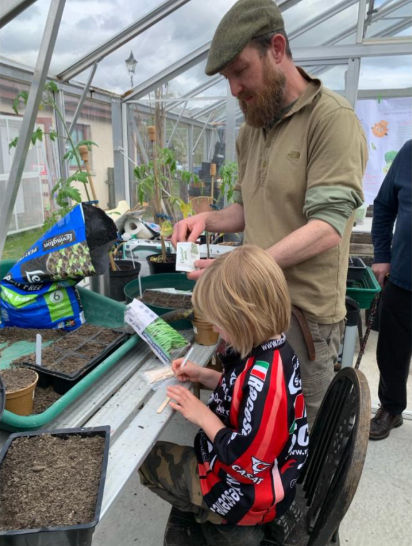
The project is a GURCA initiative delivered in partnership with the Glen Urquhart Care Centre, Highlands Rewilding, and is part of the Facility for Investment Ready Nature in Scotland (FIRNS) scheme, co-funded by The National Lottery Heritage Fund in partnership with the Scottish Government and NatureScot.
As the project moves into its second season, the focus is on strengthening the foundations, improving access, drainage, and growing capacity to ensure the space is more resilient, inclusive, and sustainable in the long term.
The season began with the planting of an ‘edible hedge’, so that residents across the road will, in time, look out onto blossom and fruit rather than a separating fence - something their children and grandchildren will be able to pick from for years to come.
As the project moves forward, it is transitioning from proving what is possible to operating with greater intention and measurable outcomes. Season 2 will focus on aligning crop planning with local demand, strengthening distribution partnerships, improving infrastructure such as storage and watering systems, and defining clearer roles to support volunteers.
This next phase builds directly on what has been learned, ensuring the project remains both practical and sustainable as it continues to grow.
🎥 More about the project can be seen here: YouTube video